What is Your Somatotype?
What is your body type? How does this influence your workout style and yoga preferences?
When I was in high school, Levi's jeans were one of the cool looks. Levi's jeans are built for an ectomorph, someone with long thin legs and a wider waist. I am a combo of mesomorph and endomorph; I have thighs and a more compact waist area. My thighs serve me well in cycling classes and in stability postures in yoga. However, if I tried on a pair of Levi's that fit my thighs, the waist area was too large. It was not cool to use a belt if the fabric had to be gathered at the top. I did not fit the Levi's mold. According to the Sheldon Somatotype model, each of us "inherited a body type based on skeletal frame and body composition." The University of Houston's Teacher's Corner article goes on to say, "William Sheldon, PhD, MD, introduced the concept of body types, or somatotypes, in the 1940s. Since then, nutritionists, exercise physiologists, and even doctors have used it to help design effective, individualized fitness plans."
The three types are characterized the following ways:
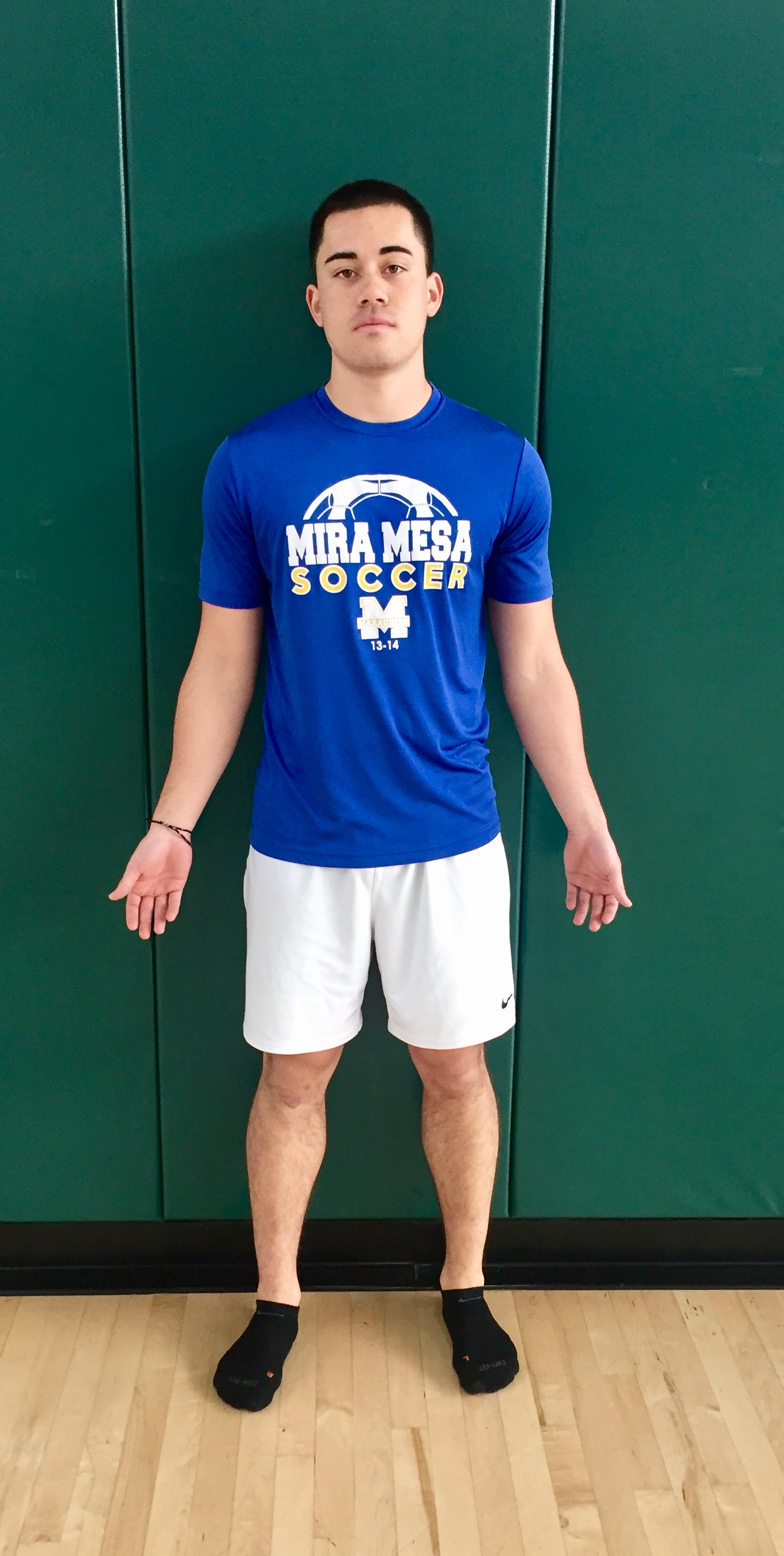
Mesomorph: Muscular, broad shoulders, defined waist, and slim hips.
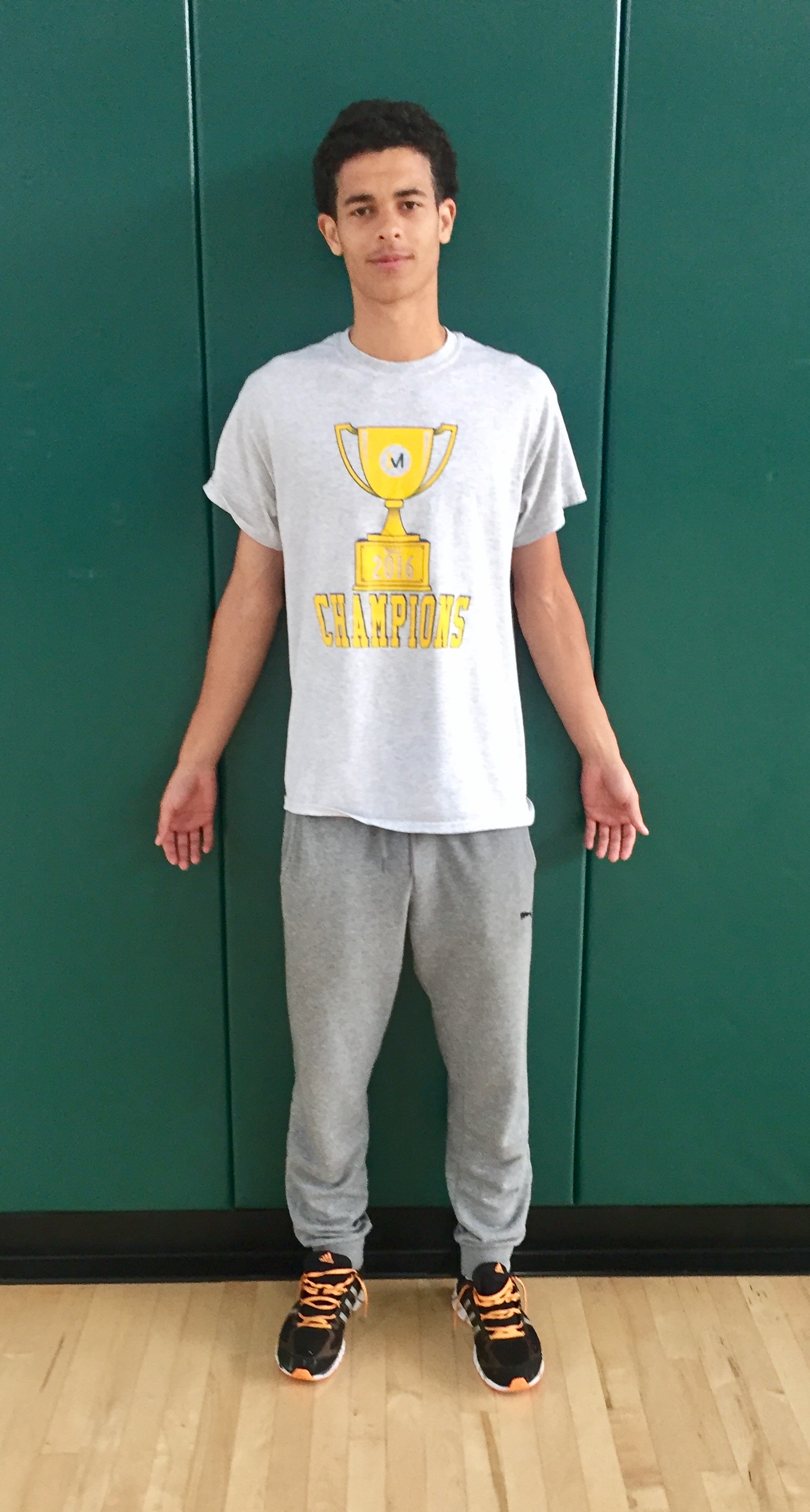
Ectomorph: Tall, long thin limbs, and little body fat.
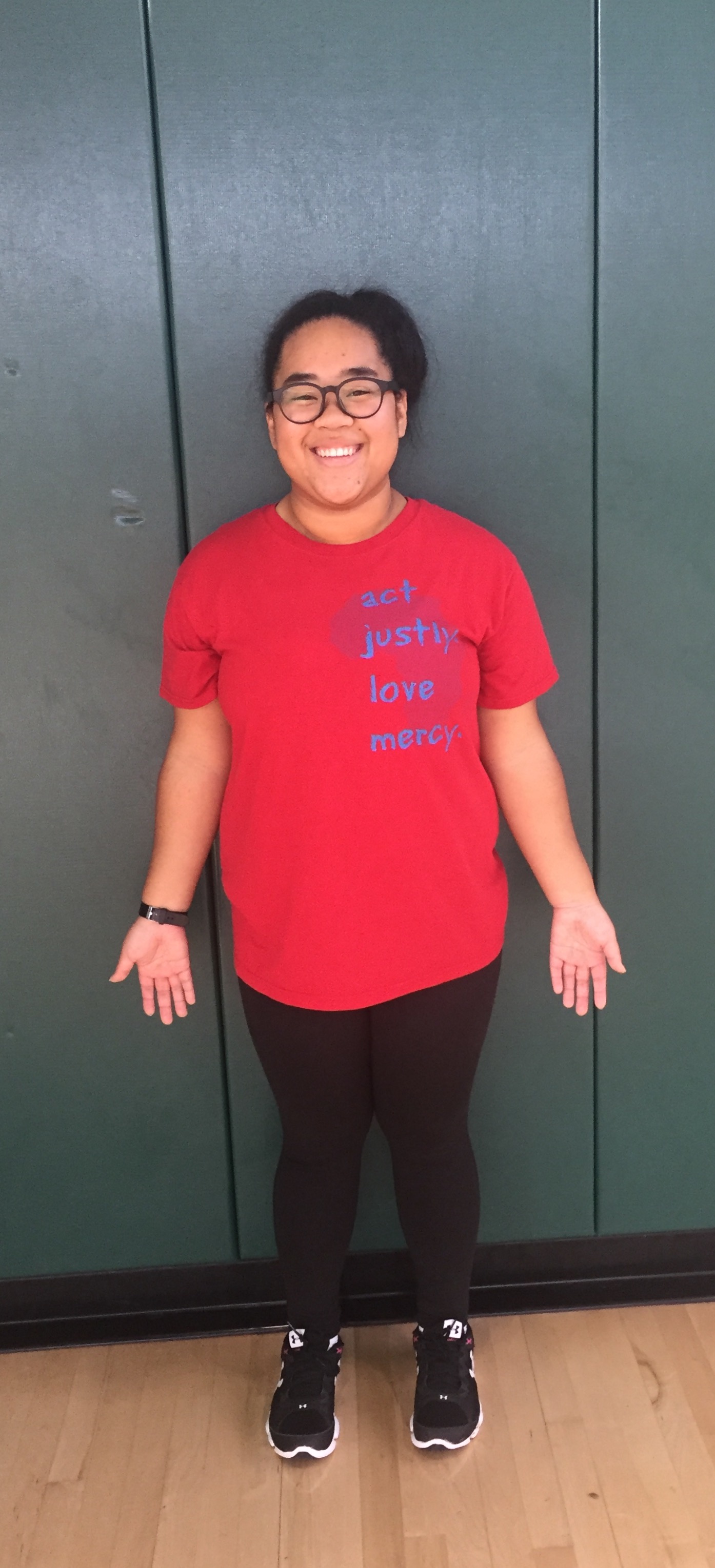
Endomorph: Round and solid, and often appear overweight.
I like to share this information with my USF students because I think it is important to understand one's physical body type so that we may work in harmony and appreciation of our gifts and choose appropriate activities to balance our body and mind.
In the Ayurvedic system, there are three body types, or "Doshas": Pitta, Vata, and Kapha. According to mindbodygreen, these body types have the following characteristics:
- Pitta: Medium physique, strong, well built; a sharp mind and good concentration powers. Pittas tend to be orderly, focused, assertive, and self-confident.
- Vata: Slender, tall, and quick to learn and grasp new knowledge, but also quick to forget.
- Kapha: Easygoing, relaxed, slow-paced; affectionate and loving. Forgiving, compassionate, and non-judgmental. Physically strong, with a sturdy, heavier build.
I have correlated these three body types with the somatotypes. I am not the first person to correlate the three Ayurvedic doshas with the Sheldon somatotypes.
We can have an "aha" moment when we realize our personality characteristics are strongly influenced by our physical body type. A Pitta/Mesomorph, strong and muscular, can be assertive and possibly quick to anger. A Kapha/Endomorph, who has a solid build, has enduring patience and is slow to anger. A Vata/Ectomorph is the forward-thinking, creative person who may move quickly from one area of interest to another.
In relationships and in the workplace these doshas and body types have a strong influence. The Vata/Ectomorph gets up early in the morning. The Kapha/Endomorph gets up late, is slow to get moving, and has the endurance to stay up late to finish a project. This body type will stick with a project until it is just right, never straying from the goal. The Vata/Ectomorph works on a project but not non-stop, and needs to eat regularly to keep blood sugar levels up. The Kapha/Endomorph can skip meals and then feast in one sitting. The Vata/Ectomorph will come back to a project several times before finishing it, then may tend to jump to a new idea and has to work on "stick-to-it-ness."
In fitness the same applies. A Pitta/Mesomorph is an avid exerciser, choosing demanding workouts that are challenging and varied. They tend to like a schedule and want to monitor their progress with fitness gadgets. The Vata/Ectomorph needs variety to stay motivated; they are on to the latest, hottest workouts on the market. The Kapha/Endomorph has to enjoy their workout. They tend not to be the early-morning workout person and are the trickiest clients to work with because they tend not to be self-motivated in this area. They may multitask when working out, such as watching the news. I want them to do endurance workouts, even just jumping on a home elliptical to rev up their metabolism, or taking their dog for a walk.
What about yoga and Pilates? The creator of the Pilates Coach program, Leslee Bender, is an ectomorph. Because of her long limbs, she added a mini ball between her knees to make a Teaser safer for her lower back. She became the fitness guru of using props in Pilates classes. Joseph Pilates was a mesomorph.
A Pitta/Mesomorph will have strong, well-defined muscles. Standing, strength postures come easy to this group; an Ashtanga or Bikram class would be appealing. Touching their toes may not, because their muscles are short and strong, so flexibility is not their strong suit. Bending their knees and widening their stance in a forward bend is helpful. The Vata/Ectomorph has long limbs and muscles and adapts to flexibility more easily; standing single-leg balances such as Standing Bow can be challenging. Iyengar or Flow classes may be more appealing.
The Endomorph/Kapha is strong and stable in yoga postures. Forward bends may be uncomfortable because of the compression to the abdomen. Their bodies respond very well to an appropriate yoga program that is paced evenly and presents a well-balanced series of postures. Wide-base standing postures such as Triangle, Warrior 1 and 2 are good for this body type, as well as spinal twists. A challenging flow is recommended because they need a practice that keeps them engaged.

The Breath Diva says:
In this moment I can slowly inhale and fully appreciate my body and mind.