Nutrition: I Have a Good Diet, I Eat Pretty Well
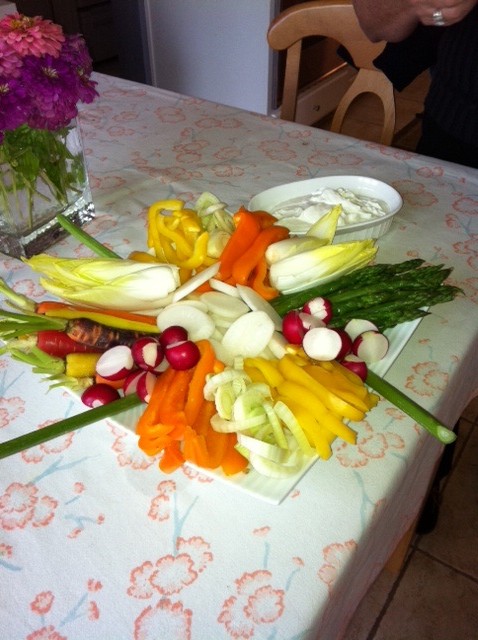
When I work with clients, I usually am told, "I have a healthy diet; I eat pretty well most of the time." I of course want to know what a "healthy diet" means to that person, and what constitutes "the other time."
Our tongue has taste receptors for sweet, sour, salty, and bitter. Which of these are you inclined toward? Do you reach for a chocolate croissant (sweet) or chips (salty)? It takes our brain about 15 minutes to register that we are getting full. If we eat three meals a day and two healthy snacks, we will probably make better food choices and eat less. Reach for an apple to satisfy a sweet craving. I once heard economist Paul Zane Pilzer, author of The Wellness Revolution, speak. He was struck by how the food industry drives our nutrition. Natural food, such as an apple or banana, is balanced with sugar and fiber; we may reach for a second banana but probably never a third, because our brain signals "enough." Fast food is designed in the opposite manner: the combination of high fat and high salt signals our brain to want more.
According to the ancient Ayurvedic system, there are six tastes, each with a primary function:
- Sweet: builds tissues, calms nerves. Fruit, grains, natural sugars, milk.
- Sour: cleanses tissues, increases absorption of minerals. Sour fruits, yogurt, fermented foods.
- Salty: improves taste, lubricates tissues, stimulates digestion. Natural salts, sea vegetables.
- Bitter: detoxifies and lightens tissues. Dark leafy greens, herbs and spices.
- Pungent: stimulates digestion and metabolism. Chili peppers, garlic, herbs and spices.
- Astringent: absorbs water, tightens tissues, dries fats. Legumes, raw fruits and vegetables, herbs.
A well-rounded diet supplies these flavors in ever-changing combinations. Eating the same foods and flavors over and over can be limiting.
Our sense of taste was the topic of an NPR program, "Sweet, Sour, Salty, Bitter... and Umami." A chemist named Kikunae Ikeda was enjoying a bowl of dashi, a classic Japanese soup made from seaweed, and tasted something "common to asparagus, tomatoes, cheese and meat, but not one of the four well-known tastes." In his lab he found the secret ingredient was glutamic acid, which he renamed "umami," meaning "delicious" in Japanese.
Of course, it gets back to how much, how often, and of what quality. It is springtime; why not try a new flavor? Are there any categories from the Ayurvedic chart lacking in your current diet? If you are not inclined toward bitter or sour, there must be one food in that category you can bring into your diet.

Whispers of the Breath Diva:
In this moment I can fully taste all of the nuances of this flavor. I can inhale and fully enjoy all of the nuances of my life, in this moment!